Welcome to ZIBO LONGSHINE
When Straight Nozzles Can't Reach: The 90° Solution
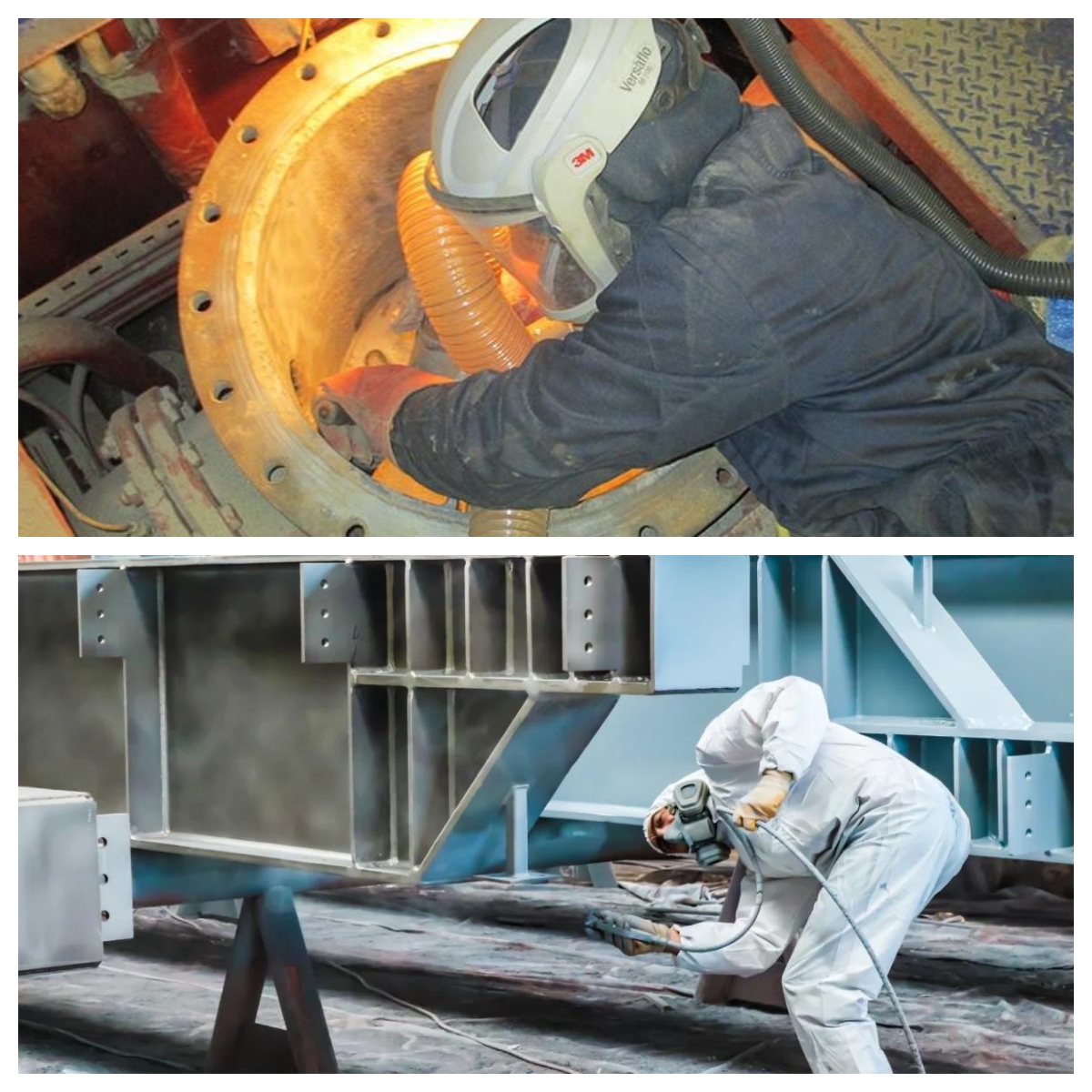
In industrial sandblasting operations, many surfaces are not simply exposed. Areas such as the backs of flanges, the inner walls of pipes, the corners of structural components, narrow gaps, and sections obstructed by other parts are often difficult to clean using standard straight-bore nozzles.
When the blasting angle is restricted, how can the abrasive be directed accurately onto the target surface? A 90° angle sandblasting nozzleis a tool specifically designed for such challenging operational scenarios.
Why are standard nozzles ineffective for cleaning "blind spots"?
Traditional straight-bore nozzles discharge abrasive primarily along an axial path. When a workpiece features obstructions, the blast stream—consisting of air and abrasive—cannot easily reach the intended target area. Operators may be forced to adjust the angle of the blast gun, shift their own position, or even employ auxiliary tools to complete the cleaning process.
In confined spaces, internal corners, and complex structures, the direction of the blast stream is often more critical than the distance to the target.
How does a 90° nozzle alter the blast direction?
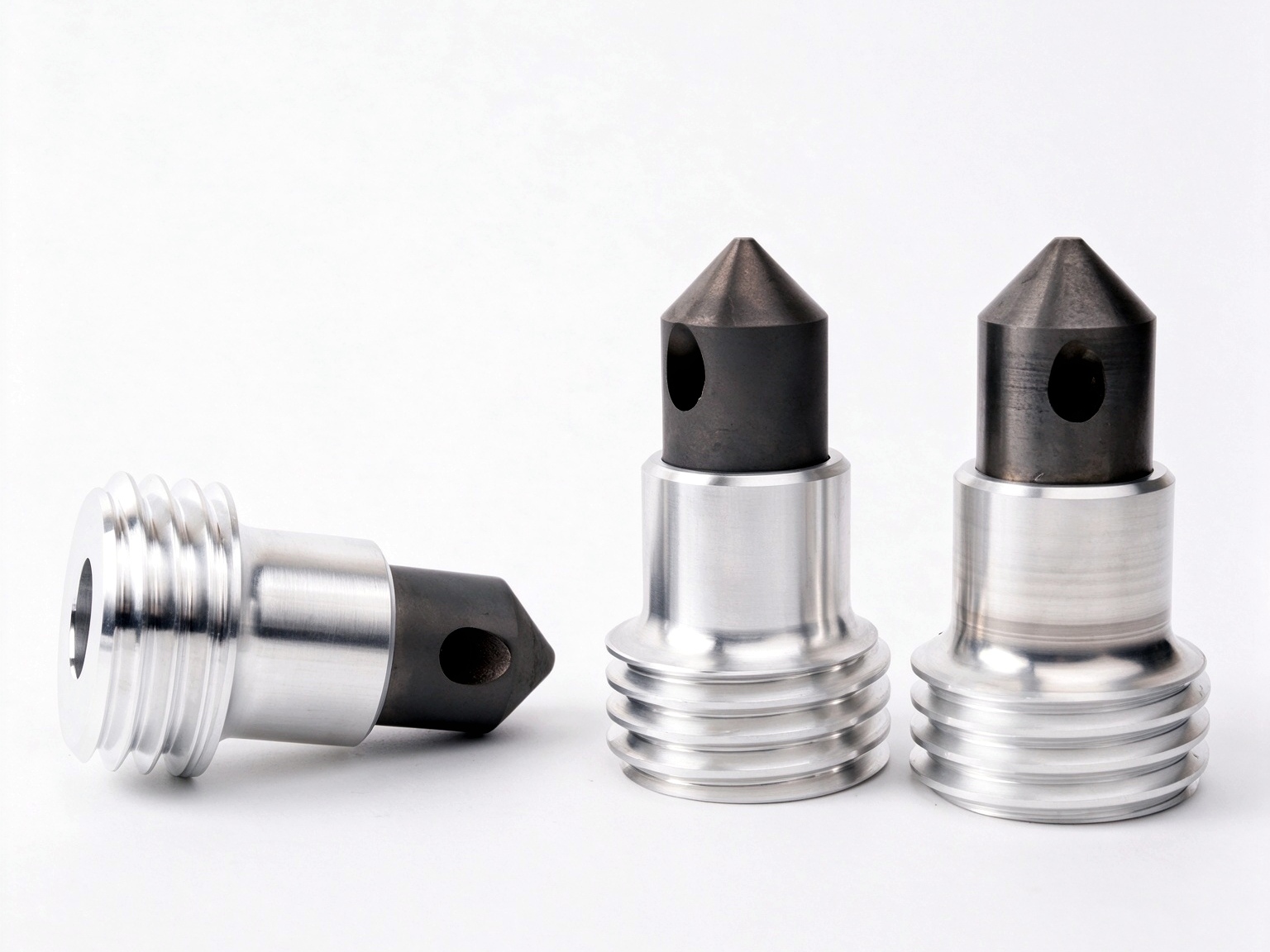
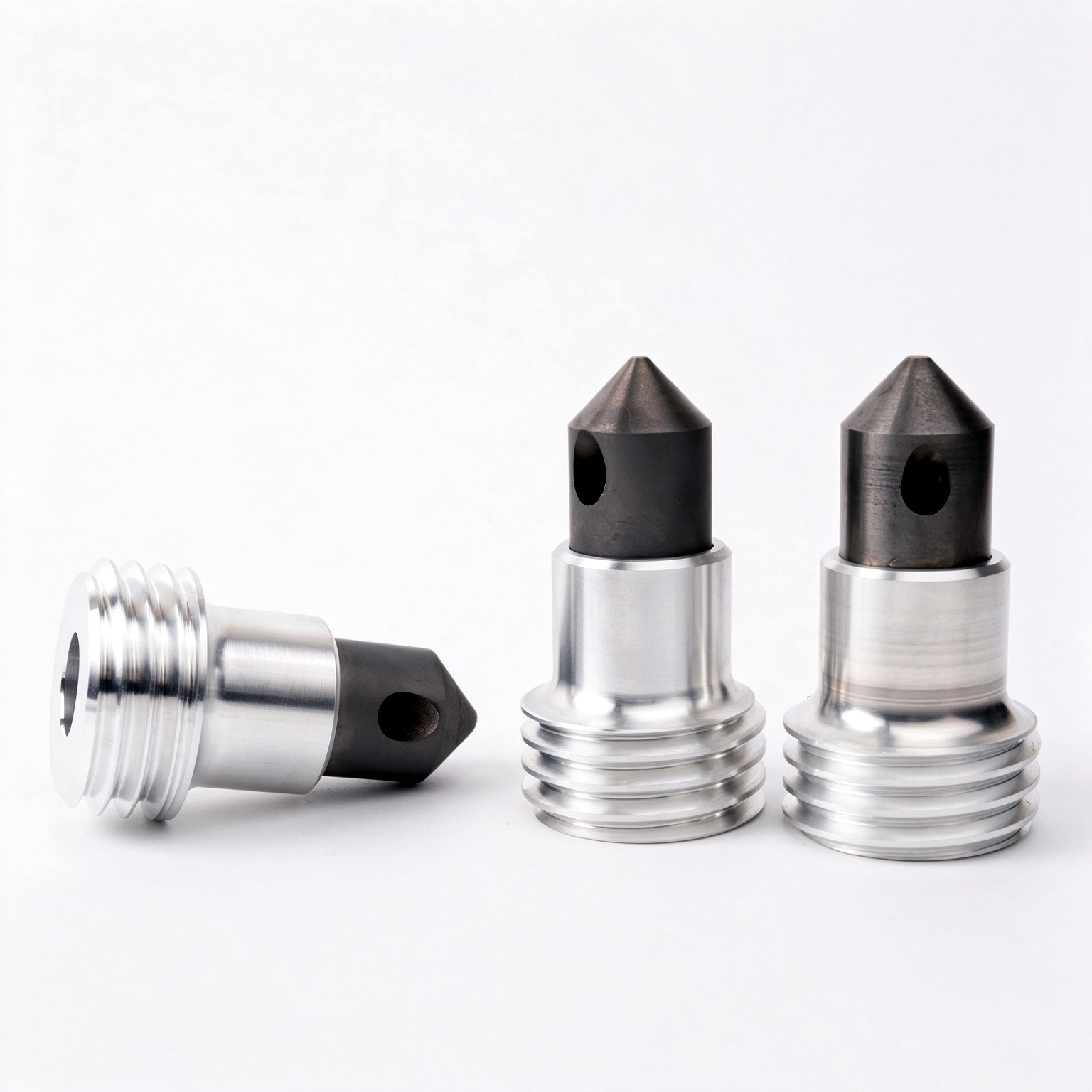
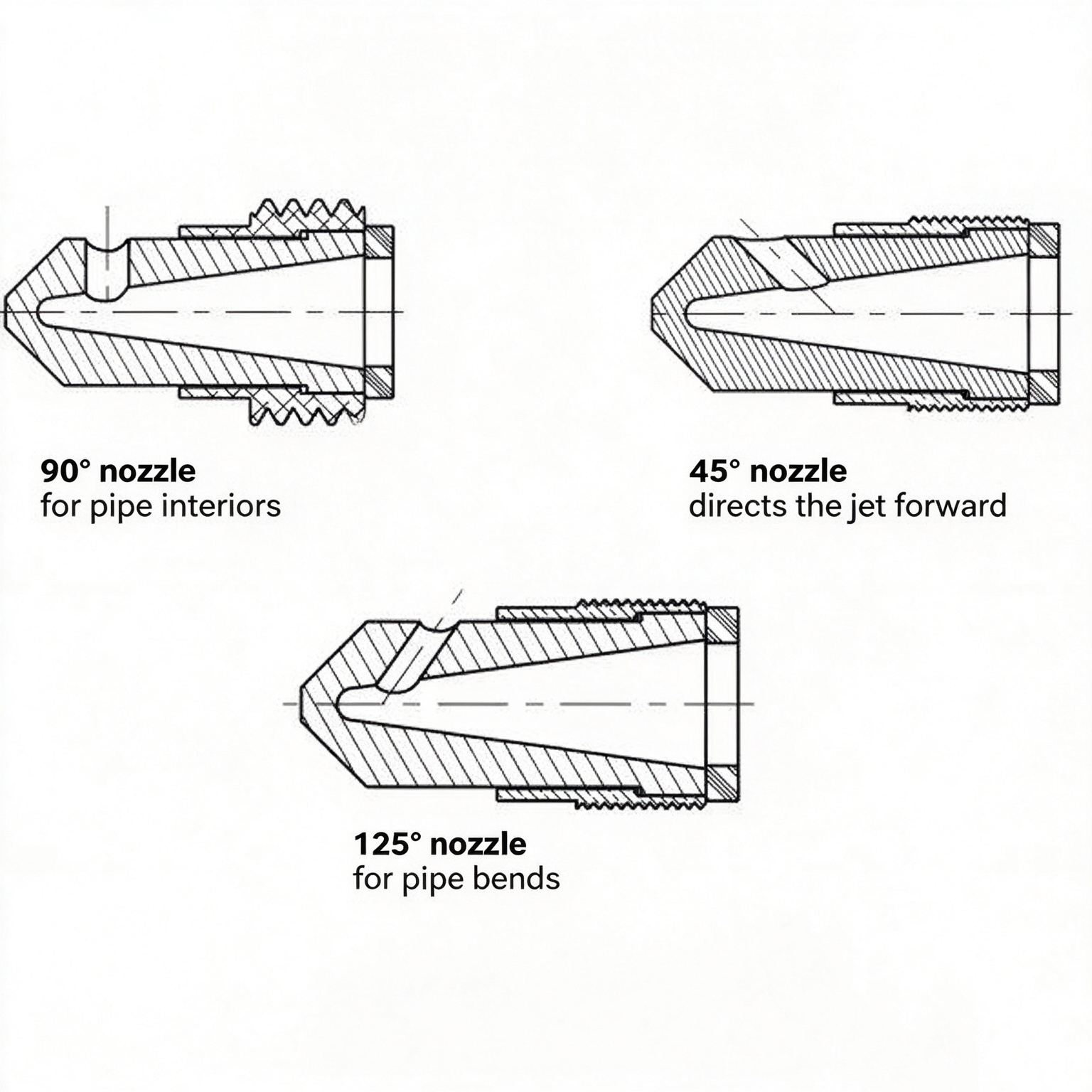 A 90° angle sandblasting nozzle features a lateral discharge design, which redirects the flow of abrasive by 90 degrees—a departure from the trajectory of a conventional straight-bore nozzle.
This configuration allows operators to direct abrasive onto obstructed surfaces, such as the backs of flanges, internal corners of structural components, grooves, and other areas that are otherwise difficult to access.
Compared to standard straight-bore nozzles, the advantage of a 90° angle nozzle lies not in changing the abrasive itself, but in adapting the blast direction to suit complex working environments.
Where can 90° angle nozzles be used?
90° angle nozzles are suitable for a variety of industrial surface treatment applications:
- Behind Flanges: Cleaning the backs of flanges and their connection points.
- Internal Corners: Cleaning the inner corners, junctions, and recessed areas of structural components.
- Pipe & Tube Cleaning: Sandblasting specific internal locations within pipes and fittings.
- Structural Steel: Cleaning complex steel structures, supports, and obstructed areas.
- Restricted Spaces: Accessing narrow or confined spaces that are difficult to reach with standard straight-bore nozzles.
How do you choose the right angle nozzle?
When selecting an angled nozzle, factors such as the blast direction, workpiece geometry, available workspace, type of abrasive, blast pressure, and nozzle bore size should be taken into account. An appropriately designed nozzle can improve blast coverage and provide greater flexibility during sandblasting operations.
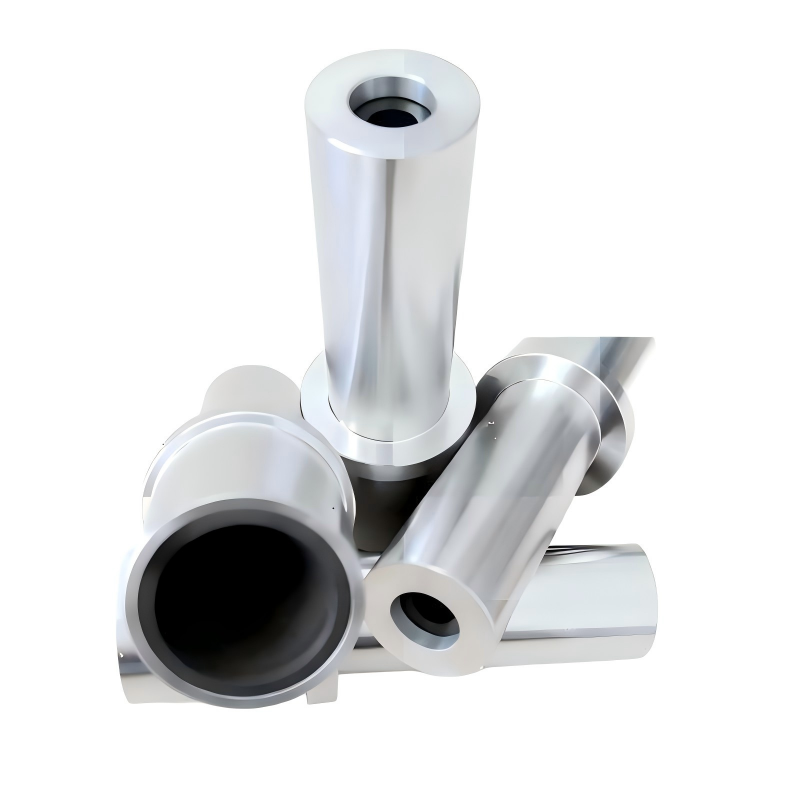
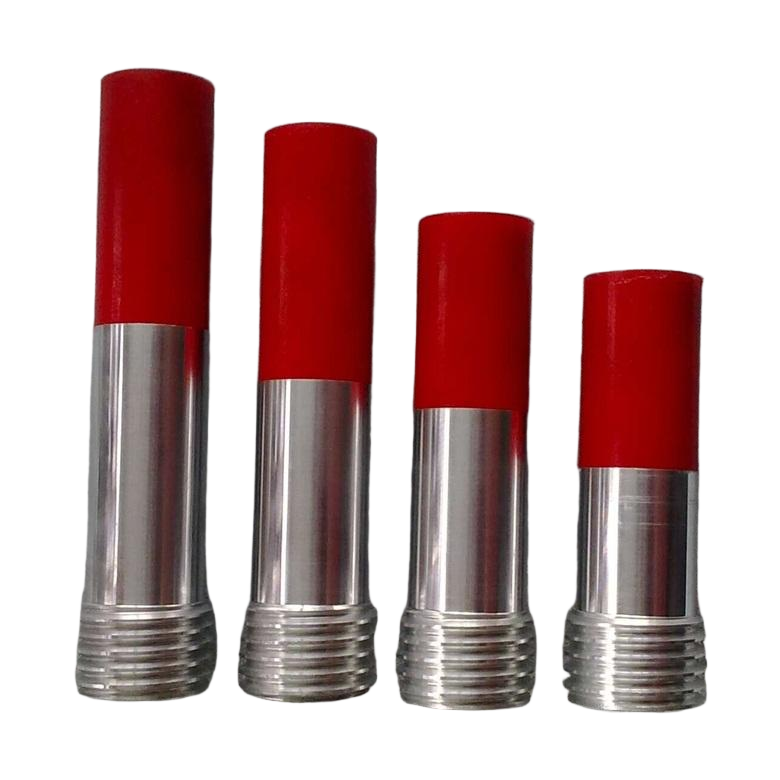
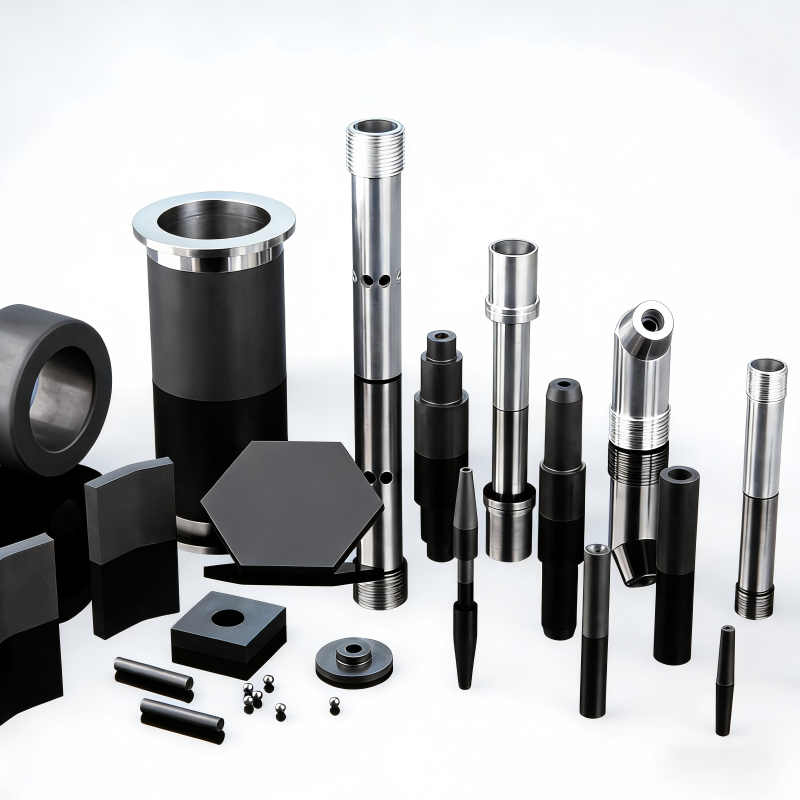
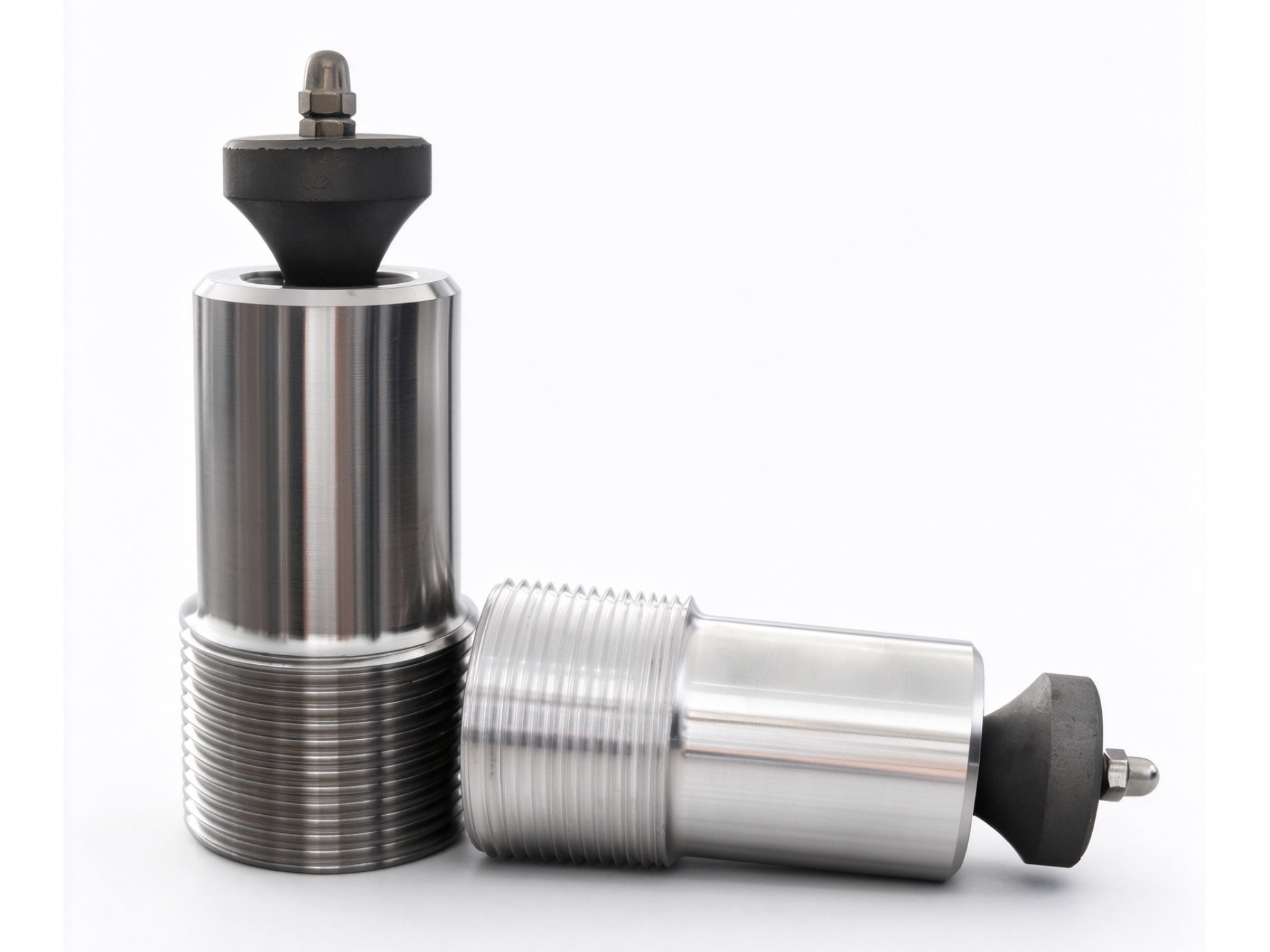
The Longshine 90° Boron Carbide Angle Sandblasting Nozzle features a wear-resistant boron carbide liner and a side-exit design, making it ideal for demanding abrasive blasting applications. A variety of bore sizes and configurations are available to suit different operational requirements.
When a standard nozzle cannot directly access the target surface, altering the blast direction may be the key to solving the problem.